Quartz Countertops 101
Updated: Jan 18, 2024
Frequently Asked Questions
When should I reseal my grout?
To determine if your grout sealant needs refreshing, perform a simple water test. Drizzle a small amount of water onto the grout. If the water droplets bead up, the sealant is still effective. If the water is absorbed into the grout, it's time to reseal.
What is attic stock?
Attic stock refers to extra tiles that are purchased and stored for future use. We recommend buying around 10% more tiles than you initially estimate for your project. This attic stock will allow you to easily replace any broken tiles or expand your tiled space using tiles from the same dye lot and printing process as the original installation, ensuring a perfect match.
How difficult is it to replace a broken tile?
Replacing a broken tile is a relatively straightforward process. However, it's crucial to wear protective gear, especially goggles.
1. Start by removing the grout surrounding the broken tile.
2. Carefully remove the broken tile using a hammer and chisel.
3. Remove any hardened mortar or adhesive that was underneath the tile.
4. Using a tile from your attic stock, replace the broken tile and re-grout.
What distinguishes natural stone from manufactured stone?
Manufactured stone is artificially produced, while natural stone is formed when one or more minerals solidify into a solid formation. Natural stones can be classified into three main categories based on their formation: sedimentary, metamorphic, and igneous.
Sedimentary stones result from the accumulation and consolidation of mineral deposits on the ocean floor or other surface water bodies, forming rock beds that are subsequently fused together by heat and pressure.
Metamorphic stones are formed when heat, pressure, and mineral deposits transform existing rocks into new types of stone.
Igneous rocks are created when liquid and gas minerals solidify as volcanic magma cools and hardens.
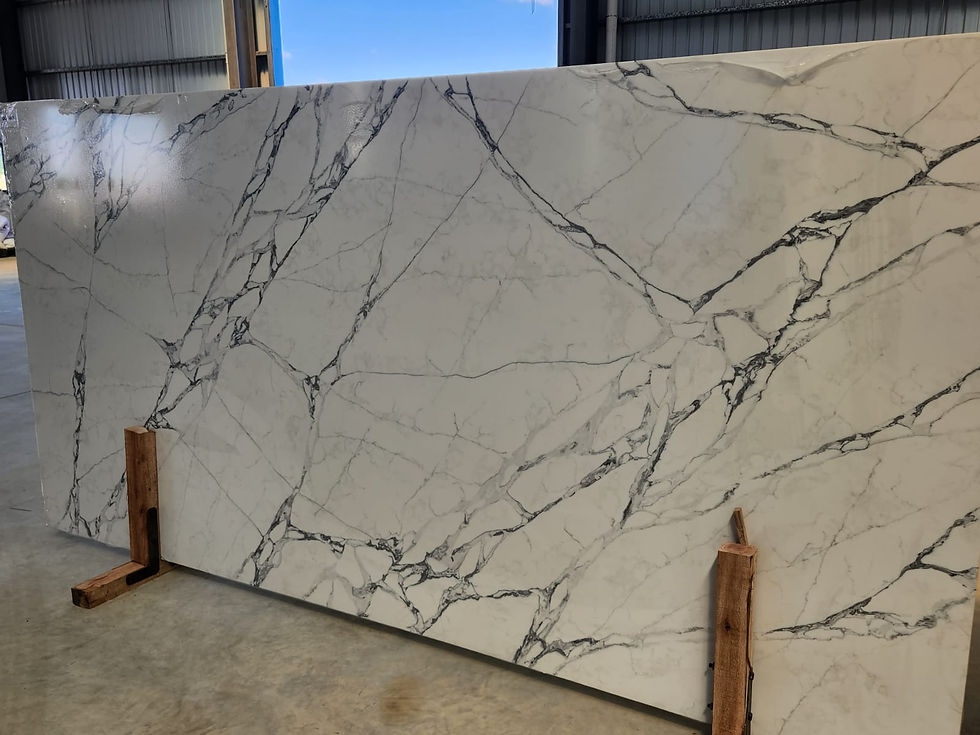
Natural stone blocks are extracted from quarries, cut into 2cm and 3cm slabs, and polished. Each block and slab is unique. Skilful blending or matching of dimension stone blocks, veneer panels, countertops, etc., creates a visually appealing combination of nature's diversity and human design. Unlike the uniformity of machine- or assembly-line-produced materials, stone's naturally varied appearance imparts a unique character. When applied to natural stone, the term "uniformity of material" is relative and should be considered when making a selection.
How to achieve the best outcome from a natural stone installation?
The final appearance of mixed tiles can vary significantly, especially if the stone is variegated and veined. To achieve a more even and visually pleasing result in the finished surface, the installer should mix tiles from different boxes during the installation process. It is recommended to review the natural stone with your installer before installation. Additionally, it is strongly advised to discuss the stone layout thoroughly with your installer to avoid misunderstandings. Refer to our installation guides for more details.
How to care for my natural stone countertop?
To protect your natural stone countertop, use coasters under all drink containers, particularly those containing alcohol or citrus juices. Many common foods and beverages contain acids that can etch or dull the surface of various stones. Avoid placing hot items directly on the stone surface. Use trivets or mats under hot dishes and placemats under objects that could scratch the surface. For more detailed care and maintenance instructions, visit our care and maintenance section.


Comments